
Benefits of Tahini
A nutrient-dense sesame paste rich in healthy fats and essential minerals.

Benefits of Tahini
It is non-GMO, gluten-free, dairy-free and vegan. A good source of calcium; it is high in vitamin E, B2, B1,B15, B3, and B5, and high in unsaturated fat (the good fat). Its easy to digest and is a 20% complete protein, making it a higher protein source than most nuts.
Tahini vs. Peanut Butter Nutrition Comparison
Tahini and peanut butter are both popular spreads made from ground seeds or nuts, but their nutritional profiles differ in several key ways. Tahini contains more protein per ounce and no naturally occurring sugars, while peanut butter typically contains slightly more fiber.
Because tahini is made from sesame seeds, it also provides naturally occurring minerals such as calcium and B vitamins, which contribute to its role in Mediterranean and Middle Eastern diets. Peanut butter remains a common protein spread, but tahini is often preferred in recipes where a nut-free or lower-sugar alternative is desired.
Both ingredients can be part of a balanced diet, though tahini is frequently used in hummus, sauces, dressings, and grain bowls, while peanut butter is more commonly used as a spread or in sweet dishes.
Is Tahini Healthier Than Peanut Butter?
Tahini can be considered a healthier option in certain contexts because it contains more protein per ounce and no sugar, while also providing calcium and other micronutrients from sesame seeds. Peanut butter may provide slightly more fiber, but tahini is often favored for its mineral content and versatility in savory recipes.
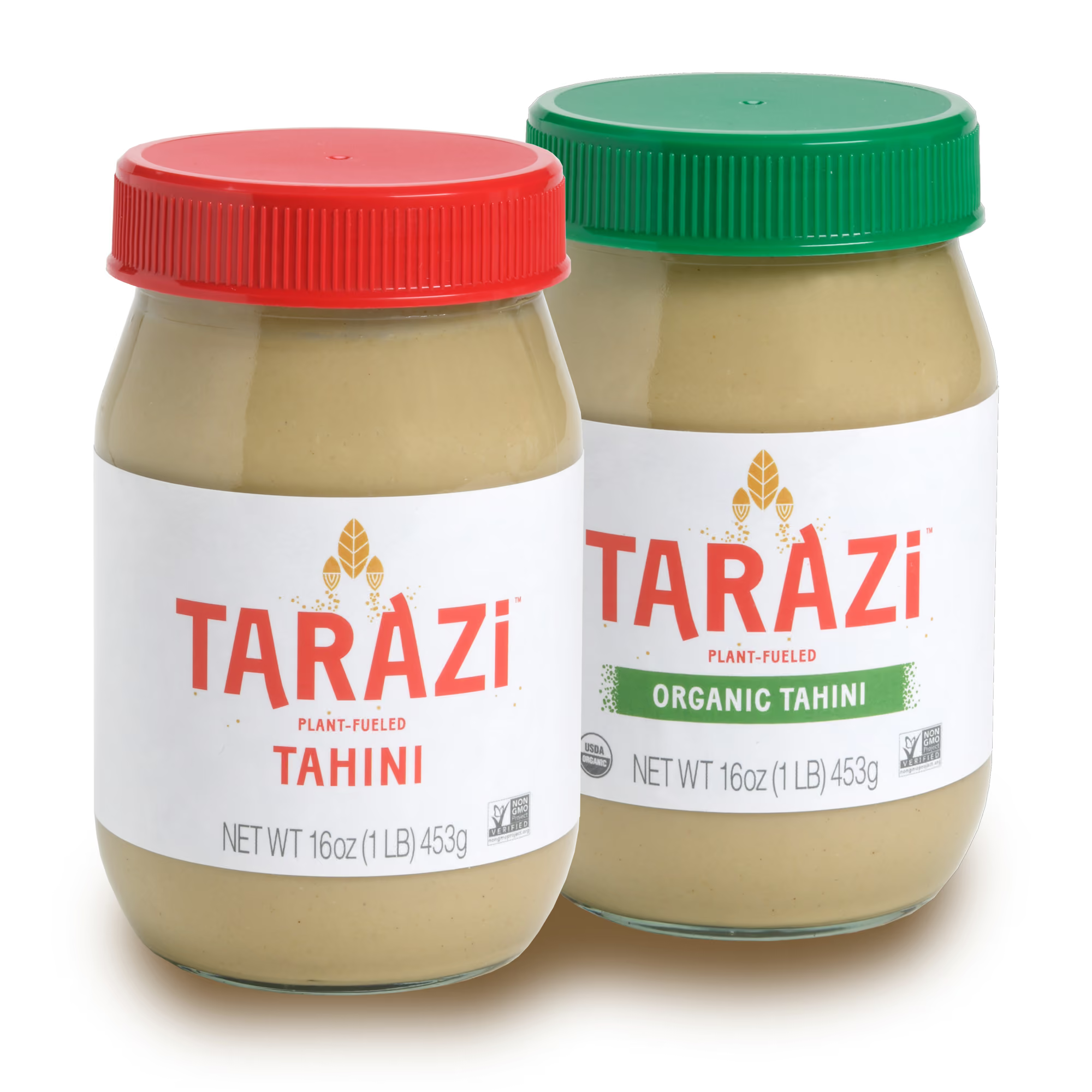
Tahini Benefits — FAQS
Tahini provides healthy fats, plant-based protein, calcium, iron, and antioxidants that support heart health and overall wellness.
Yes, tahini contains plant-based protein, making it a valuable addition to vegetarian and vegan diets.
Tahini is rich in unsaturated fats, which may help support healthy cholesterol levels.
It can be used in dressings, dips, sauces, baking, and as a spread.
It can be used in dressings, dips, sauces, baking, and as a spread.